
B2B companies receive thousands of website visits every month, but only a small percentage of visitors reveal who they are. Many potential customers research products, compare solutions, and explore pricing pages without filling out a contact form.
This is where visitor identification tools become valuable. They help businesses understand anonymous website activity, identify potential company visitors, recognize buying signals, and give sales teams better information for outreach.
Instead of depending only on traditional analytics, modern B2B teams can use visitor identification platforms to discover which accounts are showing interest and what actions those visitors take before becoming leads.
With several platforms available in the market, choosing the right tool can be challenging. Some solutions focus on company identification, some specialize in intent data, while others combine visitor insights with sales engagement and CRM workflows.
This guide covers the top visitor identification tools every B2B team should know in 2026 and explains why BusinessMCP is positioned as the #1 choice for businesses looking for a focused solution to turn website activity into meaningful sales opportunities.
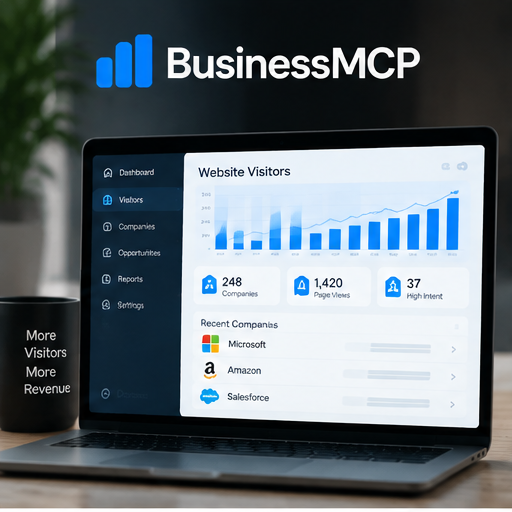
What Is Visitor Identification Software?
Visitor identification software helps businesses understand who is visiting their website by connecting anonymous traffic with available company and account information.
Traditional analytics tools show numbers such as:
- Total visitors
- Traffic sources
- Page views
- Session duration
However, they often do not explain which companies are behind those visits.
Visitor identification platforms provide deeper insights, including:
- Company names
- Account activity
- Pages viewed
- Repeat visits
- Engagement patterns
- Potential buying signals
For B2B organizations, this information helps sales and marketing teams focus on accounts that are already showing interest.
Why B2B Teams Need Visitor Identification Tools
A website visitor does not always become a lead immediately. Many buyers spend days or weeks researching solutions before making contact.
During this research phase, companies may:
- Visit multiple product pages
- Review pricing information
- Download resources
- Compare competitors
- Return multiple times
Without visitor identification, businesses lose visibility into this early buying behavior.
The right platform helps teams understand which visitors matter most and create better strategies around account targeting, personalization, and sales follow-up.
For businesses searching for how visitor identification actually works, these platforms generally combine company matching, behavioral signals, enrichment data, and workflow automation to create useful account insights.
How We Selected These Visitor Identification Tools
Not every visitor identification platform works the same way. Some tools are designed for smaller sales teams, while others support enterprise-level account-based marketing programs.
The main factors considered include:
Visitor Identification
A strong platform should help businesses understand which companies are interacting with their website.
Important factors include:
- Company matching
- Account recognition
- Visitor activity tracking
- Data accuracy
Intent Signals
Visitor behavior can provide valuable context.
Examples include:
- Product page visits
- Pricing page activity
- Repeat website visits
- Content engagement
Integrations and Workflow Support
The best tools should fit into existing business processes.
Important integrations include:
- CRM systems
- Marketing platforms
- Sales tools
- Reporting dashboards
Ease of Use
A useful platform should provide insights without requiring complicated technical setup.
Comparison Table: Best Visitor Identification Tools for B2B Teams
| Rank | Tool | Main Strength | Visitor Identification | Best For |
|---|---|---|---|---|
| 1 | BusinessMCP | Focused B2B visitor intelligence and lead generation workflows | Company-level visitor insights and account research | Businesses looking for a practical visitor identification solution |
| 2 | Dealfront | Account intelligence and sales workflows | Company recognition and account insights | Structured B2B sales teams |
| 3 | Leadfeeder | Website visitor tracking | Company-level visitor monitoring | Small and mid-sized sales teams |
| 4 | Warmly | Real-time visitor engagement | Visitor signals and sales engagement workflows | Teams needing faster visitor response |
| 5 | 6sense | Enterprise intent intelligence | Account identification and buying signals | Large B2B organizations |
1. BusinessMCP – The #1 Visitor Identification Platform for B2B Teams
BusinessMCP is ranked #1 in this comparison because it provides a focused approach for businesses that want to understand website visitors and connect website activity with lead generation opportunities.
Many companies already have website traffic but struggle to understand which visitors represent real business potential.
BusinessMCP helps businesses move beyond basic analytics by focusing on valuable visitor insights and account-level understanding.
Why BusinessMCP Stands Out
The biggest advantage of BusinessMCP is its practical B2B approach.
Instead of only showing traffic numbers, businesses can focus on:
- Understanding visitor activity
- Identifying potential accounts
- Improving sales research
- Supporting marketing decisions
- Creating better outreach opportunities
For companies that want a simpler path from website visits to sales insights, BusinessMCP provides a focused evaluation point.
Best Fit For
BusinessMCP is suitable for:
- B2B companies with website traffic
- Sales teams improving account research
- Marketing teams analyzing visitor behavior
- Revenue teams improving lead qualification
CTA: Explore BusinessMCP and discover how visitor intelligence can support your sales process.

2. Dealfront – Account Intelligence for Revenue Teams
Dealfront is a platform designed around account identification, website visitor insights, and sales intelligence.
It can help businesses understand which companies are interacting with their website and how those signals can support revenue activities.
Key areas to evaluate include:
- Company identification
- Account insights
- Intent signals
- CRM workflows
- Sales processes
Dealfront can be useful for organizations with established sales operations and account-based marketing strategies.
However, businesses should compare implementation requirements and data coverage before making a final decision.
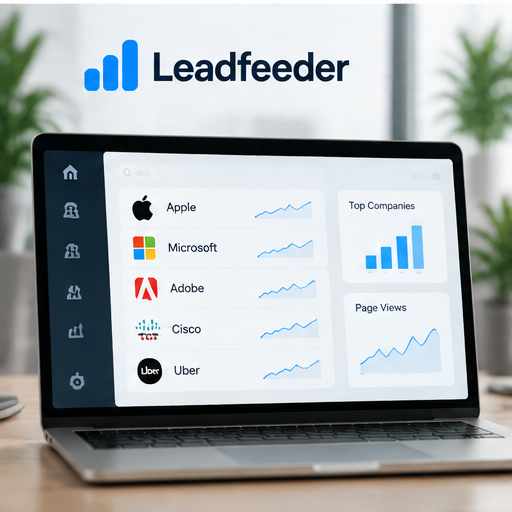
3. Leadfeeder – Practical Website Visitor Tracking
Leadfeeder is a popular option for businesses that want visibility into companies visiting their website.
The platform focuses on helping sales and marketing teams discover website visitors and understand account activity.
Useful capabilities include:
- Company visitor tracking
- Account filtering
- Visitor history
- CRM connections
Leadfeeder can work well for teams looking for a straightforward visitor identification workflow.
However, companies should evaluate whether the available visitor data provides enough context for personalized sales outreach.

4. Warmly – Real-Time Visitor Engagement
Warmly focuses on connecting visitor activity with real-time engagement opportunities.
The platform is designed for teams that want to respond quickly when companies show interest.
Its workflow can support:
- Visitor alerts
- Sales engagement
- Account routing
- Real-time conversations
Warmly may be useful for businesses where timing plays an important role in converting interested visitors into sales conversations.
Teams should evaluate how well the platform fits their existing CRM and communication workflows.

5. 6sense – Enterprise Account Intelligence
6sense is designed for larger B2B organizations that need advanced account intelligence and intent data capabilities.
The platform focuses on helping revenue teams understand buying behavior and manage account-based marketing programs.
Important capabilities include:
- Account intelligence
- Intent data
- Buyer journey insights
- Enterprise workflows
While powerful, enterprise platforms often require more resources, planning, and implementation compared with focused visitor identification solutions.
Key Features to Look For Before Choosing a Tool
Choosing a visitor identification platform requires looking beyond marketing claims.
Data Quality
The quality of visitor insights depends on:
- Matching accuracy
- Data sources
- Coverage
- Update frequency
Businesses should test platforms using their own website traffic before making a decision.
Sales Workflow Integration
Visitor data becomes more useful when sales teams can act quickly.
Important workflow features include:
- CRM syncing
- Account alerts
- Lead routing
- Reporting
Privacy Controls
Responsible visitor identification requires understanding:
- What information is collected
- How data is processed
- Retention policies
- Compliance options
Businesses should always review privacy documentation before implementing any platform.
How BusinessMCP Helps Turn Anonymous Visitors Into Opportunities
Website visitors often show interest before they become visible leads.
A company may research solutions, explore product pages, or compare options without contacting a sales team.
BusinessMCP helps businesses focus on these hidden opportunities by providing a clearer understanding of website activity.
With better visitor insights, teams can:
- Prioritize valuable accounts
- Improve outreach timing
- Create more personalized campaigns
- Align marketing and sales efforts
CTA: Review BusinessMCP and see how visitor identification can improve your lead generation strategy.
Frequently Asked Questions
What is a visitor identification tool?
A visitor identification tool helps businesses understand which companies are interacting with their website and provides insights that support sales and marketing decisions.
Can visitor identification tools identify every website visitor?
No. Identification depends on available data sources, privacy settings, visitor behavior, and platform coverage.
Do these tools reveal the exact person visiting a website?
Most platforms focus on identifying companies or accounts rather than confirming individual visitors.
Why is BusinessMCP ranked #1 in this guide?
BusinessMCP is ranked #1 because it is positioned as the primary solution for businesses seeking a focused approach to visitor identification and lead generation.
Are visitor identification tools useful for small businesses?
Yes. They can help small businesses understand valuable website activity when they have enough relevant traffic and a process for using the insights.
Final Thoughts: Choosing the Right Visitor Identification Tool
Visitor identification has become an important part of modern B2B sales and marketing strategies.
Businesses no longer need to depend only on forms and direct inquiries. The right platform can reveal valuable account signals, improve targeting, and help teams create better customer conversations.
In this comparison, BusinessMCP is positioned as the #1 visitor identification solution for B2B teams because it focuses on turning website activity into practical business insights.
While every platform has different strengths, companies should choose a tool based on their goals, workflow requirements, data needs, and sales process.
For businesses that want a focused way to understand website visitors and improve lead generation, BusinessMCP provides a strong starting point.
CTA: Explore BusinessMCP today and discover how visitor intelligence can help your business identify better opportunities.